





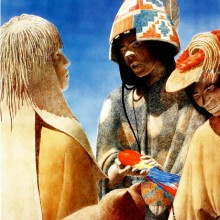
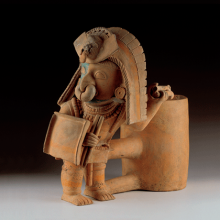



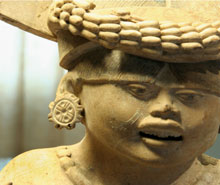
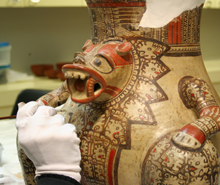




Among the Mayan people, chocolate was a drink reserved for kings and noblemen and used in sacred rituals. It was also used therapeutically for its calming effects, and was given to warriors as a restorative and energizing drink.
The entire process, from harvesting the beans to preparing the beverage, was accompanied by religious rituals in which gods associated with the cocoa plant were invoked for protection. For the Aztecs, xocolatl was a ritual beverage that was considered a source of spiritual energy and was reserved for the elite members of that society. Because it was often consumed at wedding ceremonies, the Europeans believed it possessed invigorating and aphrodisiac properties. This belief, combined with its nutritional and medicinal value, have made chocolate the highly popular food it is today.
Interestingly, cocoa beans also were used as exchange currency in Central America: four beans could purchase a rabbit, while 10 could be traded for the company of a woman and 100 could buy the services of a slave. From early times, cocoa’s economic importance, tonic properties and other qualities captured the commercial interest of the Spaniards, who established plantations in Mexico and the Antilles, and later in West Africa. From there, cocoa production expanded in the late 19th Century to Ghana, which is now the world’s largest cocoa producer.